
The peanut blanching process


The blanching process of peanuts, is not merely a mechanical operation to remove the seed coat (tegument), but a complex thermal and physicochemical transformation that impacts the structure, composition, and functional properties of the final product.
Dry Blanching
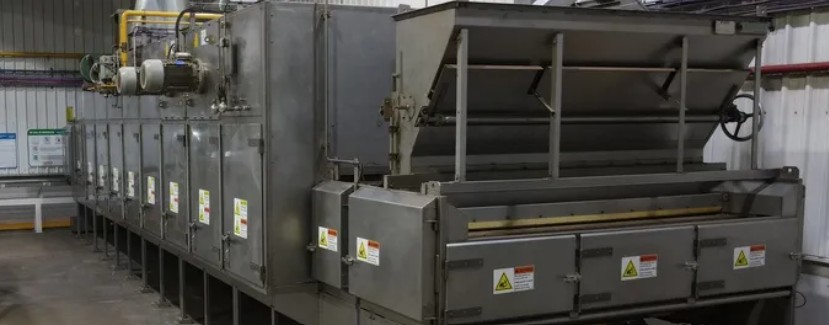
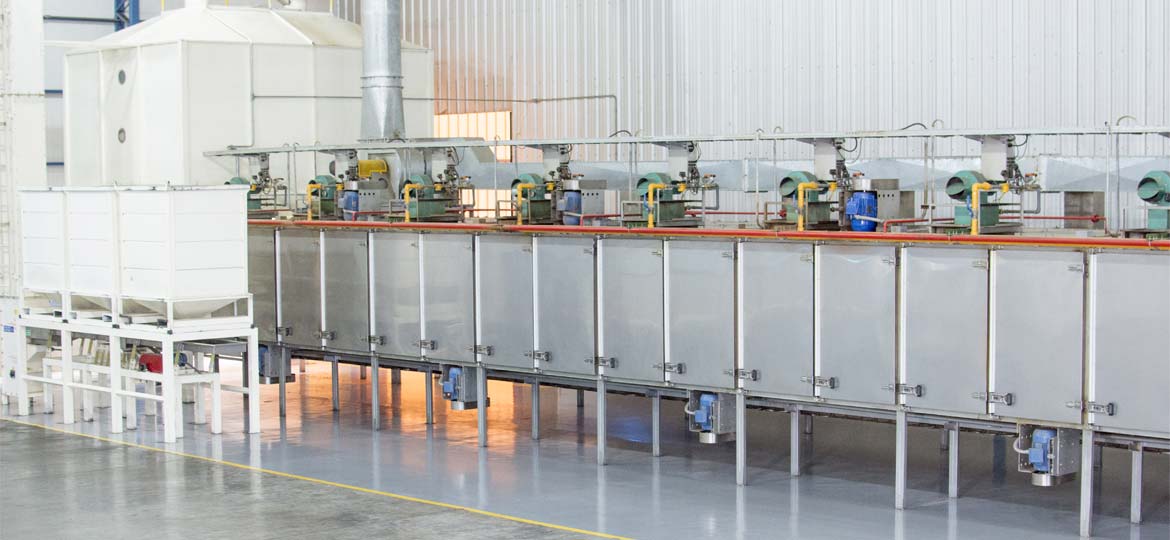
Dry blanching involves subjecting shelled, raw peanuts to a controlled thermal treatment in multi-zone continuous ovens (typically 4 zones), reaching temperatures of 70–95 °C. This is followed by quick cooling, stabilization, and mechanical abrasion using coated rollers to remove the tegument.


Physical Changes
Moisture Loss
Heat transfer within the oven occurs primarily through convection, while moisture removal involves both convection and diffusion. The drying process is driven by gradients in temperature and relative humidity. Due to peanuts’ high oil content (approximately 50% depending on the count or size) and low thermal conductivity, internal temperature gradients can lead to uneven drying and impact enzymatic inactivation, necessitating careful control of operating conditions.
Water is removed primarily through diffusion from the interior and convection at the surface, from 7–8% until a final moisture of 4–5%. Reduced water activity improves microbiological stability and shelf life.
The peanut bed depth is maintained between 7 and 12 centimeters to optimize exposure, and residence time varies from 20 to 45 minutes, depending on kernel size and moisture content. Importantly, air temperature is kept below 95 °C to avoid lipid oxidation and peroxidase enzyme activation, both of which could negatively affect flavor and shelf life.
Texture Modifications
Dehydration leads to a firmer, crisper kernel texture. However, over-drying (<4% moisture) increases fragility and the likelihood of kernel breakage (splits), which has economic implications due to lower commercial value.
Tegument
The tegument is a thin, polyphenol-rich structure tightly bound to the cotyledon. Heating induces expansion-contraction cycles, weakening the adhesion forces and allowing for mechanical separation via abrasion.
Chemical Reactions
Enzyme Inactivation
The thermal treatment is sufficient to affect endogenous enzymes, including lipoxygenase, which triggers oxidation of unsaturated lipids; the peroxidase; which catalyzes oxidative degradation of phenolics and lipids; and the catalase. Enzymatic inactivation delays oxidative rancidity and color changes, extending shelf life and preserving flavor.
Lipid Oxidation and Hydrolysis
Although controlled to avoid high-temperature damage, blanching can initiate autoxidation of lipids, particularly polyunsaturated fatty acids, leading to peroxide formation, and also, the formation of volatile aldehydes and ketones, which influence aroma and flavor.
In high oleic peanuts, this reaction is significantly reduced due to lower PUFA content and increased oxidative stability.
Protein denaturation
Thermal energy disrupts hydrogen bonds, hydrophobic interactions, and disulfide bridges in storage proteins. This alters solubility, emulsifying and foaming properties, which can be either beneficial or detrimental depending on end use (e.g., for peanut butter vs. snacks).
Polyphenol Loss
The skin or tegument of the peanut contains significant levels of polyphenols (procyanidins, catechins, tannins), antioxidants and dietary fiber.
Skin removal is achieved through abrasive rollers coated with fused aluminum oxide (Al₂O₃), selected for its high hardness (Mohs scale 9) and durability. The grit size of the rollers is tailored to balance efficient skin removal with kernel integrity. Higher abrasion intensity enhances tegument removal but also increases kernel breakage and peanut flour generation, which are byproducts of the process.

Post-Drying Stabilization and Mechanical Skin Removal
After drying, peanuts are allowed to rest for 4 to 6 hours. This stabilization period reduces structural stress and minimizes mechanical damage during the subsequent skin removal phase.
Byproducts and Yield
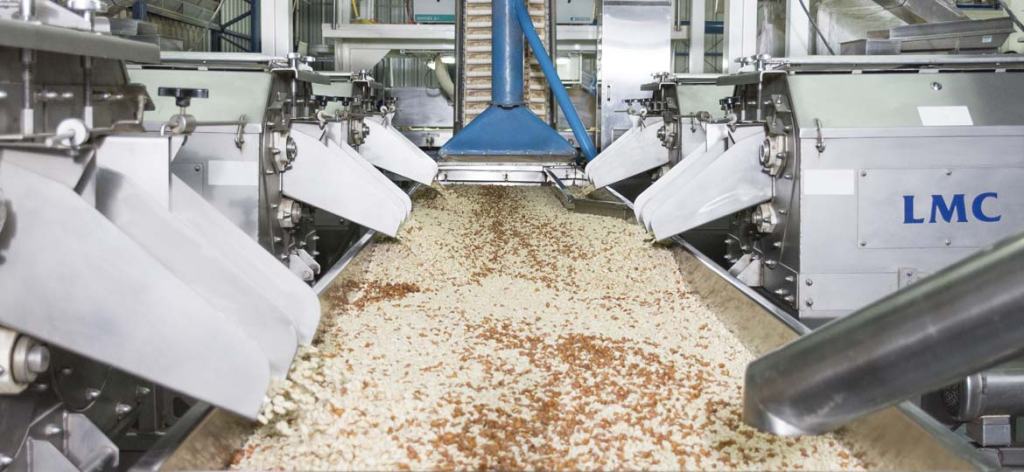
The mechanical abrasion process generates several byproducts, including peanut skin, flour, and split kernels. Moisture loss during drying leads to a typical weight reduction of 1.5–2%, while sorting removes an additional 3–5% of kernels classified as defective.
Typical yields are:
- Splits: 12–16%
- Peanut skin (tegument): 2–3%
- Germ and flour: 0.3–0.6%
Understanding these byproduct distributions is essential for process optimization, cost control, and product quality management.

After blanching, peanuts undergo rigorous sorting to ensure compliance with quality and safety standards. High-resolution optical sorters equipped with visible and near-infrared cameras detect defects such as discoloration, fungal growth, insect damage, and foreign materials. Defective kernels are automatically ejected using air jets.




Manual sorting follows to remove any remaining contaminants, and magnetic traps and metal detectors (high Gauss – CCP2) are used to eliminate metallic particles invisible to the human eye.
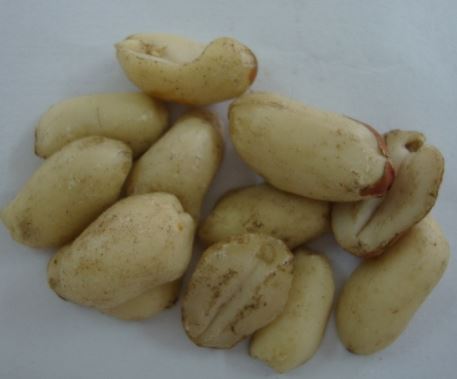
Defects are classified based on their impact on product quality and aflatoxin risk. Violet or discolored kernels may indicate genetic or environmental stress. Frost-damaged kernels, exhibit altered tegument and flavor. Insect damage compromises kernel integrity, while fungal contamination—whether internal or external—poses a serious safety concern due to aflatoxin formation. Fermented or decayed kernels introduce undesirable flavors and textures, and physical deformities such as shriveling or carbonization affect visual appeal.
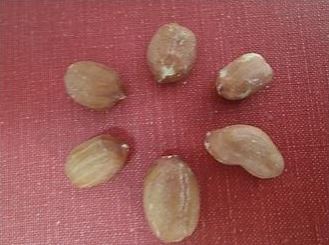

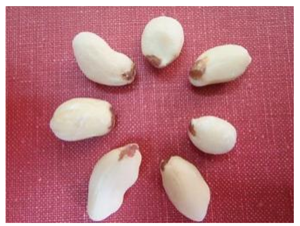
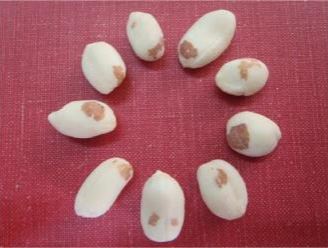

Effective sorting is essential to eliminate these defects and reduce aflatoxin levels in the final product.
EU Regulation 2023/915 allows groundnuts exceeding aflatoxin limits to be marketed if they undergo physical treatments like sorting. Electronic optical sorting is recognized as an effective method to reduce aflatoxin levels (CCP1).
I conducted a study on how blanching reduces aflatoxins in peanuts. On average, AFB1 was reduced by 83% and total aflatoxins by 76%, with some cases reaching 98% reduction. Most batches met the strict EU limit of 4 µg/kg, showing that the process is effective.
Photo credits: Own images, Manisel, Maniagro, Prodegan, AGD, Gastaldi
 Argentina Pinda´s
Leave a comment